Honesty is often considered one of the most important human values, yet lying is surprisingly common in everyday life. People may lie to protect themselves, avoid conflict, impress others, or even spare someone’s feelings. In some situations, lies are deliberate and calculated, while in others they happen almost automatically.
Psychologists have long been interested in understanding why humans lie and what motivates this behavior. Research suggests that lying is not simply a sign of dishonesty or bad character. Instead, it is often connected to deeper psychological needs, social pressures, and emotional coping mechanisms.
By examining the reasons behind lying, we can better understand human behavior and even recognize the ways we sometimes deceive ourselves.
The Social Nature of Lies
Humans are highly social beings, and much of our behavior is shaped by our desire to maintain relationships and social harmony. Many lies are told not to harm others but to avoid awkward situations or prevent conflict.
For example, someone might say they enjoyed a meal even if they didn’t, simply to avoid hurting the cook’s feelings. These small, polite lies are sometimes called “white lies.”
While they may not be entirely truthful, they often serve a social purpose by maintaining kindness and politeness in everyday interactions.
Lying for Self-Protection
Another common reason people lie is self-protection. When individuals fear punishment, embarrassment, or criticism, they may hide the truth to avoid negative consequences.
For instance, a student who forgets to complete an assignment might invent an excuse to avoid admitting the mistake. In such cases, the lie acts as a temporary shield against uncomfortable outcomes.
However, while lies may offer short-term protection, they can create long-term problems if trust is damaged.
The Desire to Impress Others
People also lie to enhance their image in the eyes of others. In competitive environments, individuals may exaggerate achievements, experiences, or abilities to appear more successful or capable.
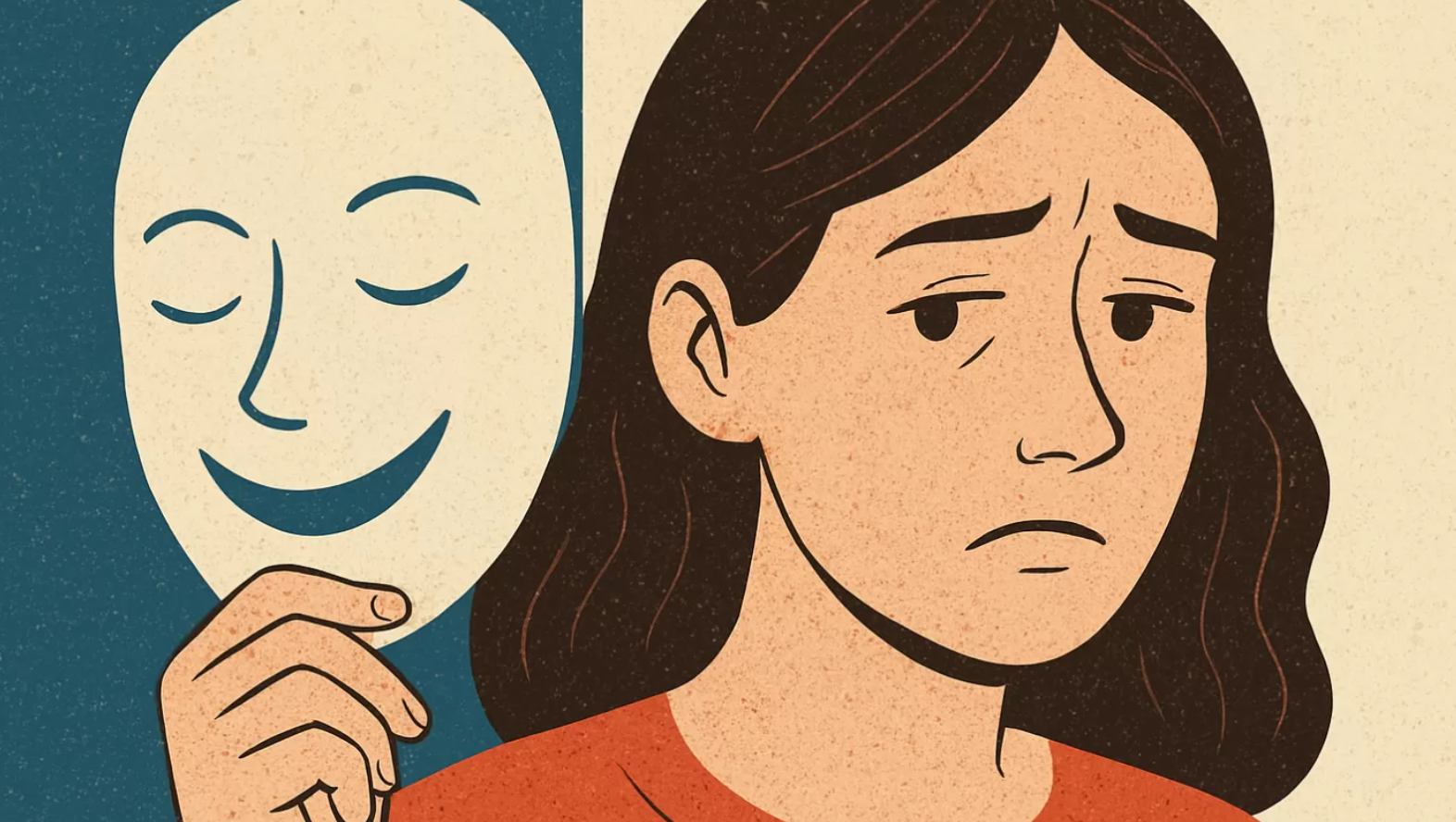
Social media has amplified this tendency in modern society. Online profiles often present idealized versions of life, highlighting achievements while hiding difficulties or failures.
This form of exaggeration reflects the natural human desire to be respected, admired, or accepted by others.
The Psychology of Self-Deception
One of the most fascinating aspects of lying is self-deception. Sometimes people convince themselves of things that are not entirely true.
For example, someone might believe they performed well in a situation even when evidence suggests otherwise. This mental process helps protect self-esteem and maintain a positive self-image.
Self-deception can act as a psychological defense mechanism, allowing individuals to cope with disappointment, fear, or uncertainty.
However, excessive self-deception can prevent people from learning from mistakes or improving their behavior.
When Lying Becomes Harmful
While occasional small lies are common in social life, habitual or manipulative lying can cause serious harm. When lies are used to control, deceive, or exploit others, they can damage trust and relationships.
Trust is one of the foundations of human interaction. Once broken, it can be extremely difficult to rebuild. This is why honesty is generally valued so highly in both personal and professional relationships.
Learning to communicate openly and accept responsibility for mistakes can strengthen trust over time.
Why Honesty Is Difficult
Being completely honest is not always easy. Truth can sometimes be uncomfortable, embarrassing, or emotionally challenging. Admitting mistakes requires vulnerability and courage.
However, honesty often leads to healthier relationships and greater personal growth. When individuals face reality rather than avoiding it, they can learn from their experiences and build stronger connections with others.
Developing honesty involves balancing kindness with truthfulness, ensuring that communication remains both respectful and sincere.
Conclusion
Lying is a complex part of human behavior influenced by social expectations, emotional needs, and psychological defenses. People may lie to protect themselves, avoid conflict, impress others, or preserve their self-image.
While small lies are common in everyday life, understanding the motivations behind them can help us develop greater self-awareness. By recognizing why we sometimes distort the truth, we can make more conscious choices about honesty and communication.
Ultimately, honesty remains one of the most powerful tools for building trust, maintaining meaningful relationships, and developing personal integrity.
Understanding why humans lie reminds us that truth is not always simple—but striving for honesty often leads to deeper connections and stronger character.