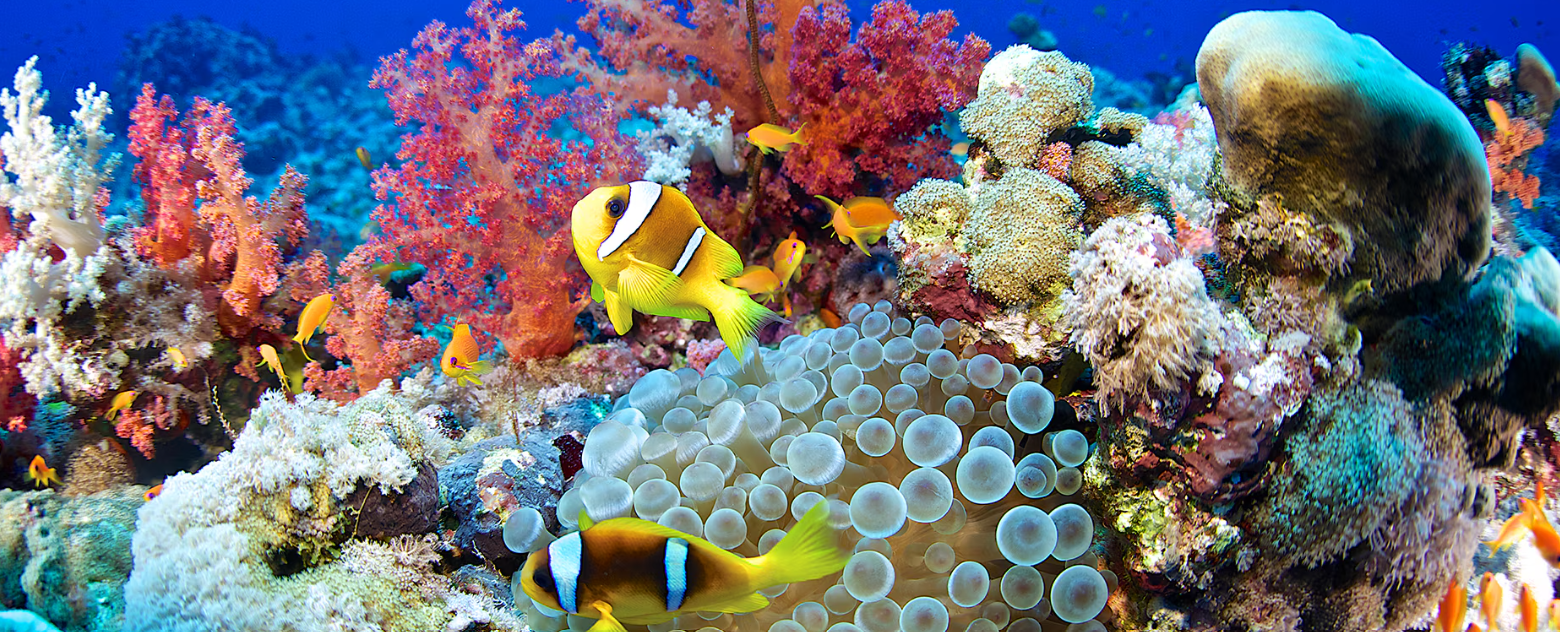
Coral reefs are often called the “rainforests of the ocean”, and for good reason. Covering less than 1% of the ocean floor, these vibrant ecosystems support an astonishing 25% of all marine species. From colorful fish and invertebrates to intricate corals, reefs are a kaleidoscope of life and activity, rivaling the diversity of terrestrial rainforests.
Beyond their beauty, coral reefs provide essential services for humans and the environment. They protect coastlines, support fisheries, and even inspire medicine. Exploring the wonders of coral reefs reveals a world of resilience, cooperation, and complexity unlike any other.
What Are Coral Reefs?
Coral reefs are built by tiny marine animals called coral polyps, which secrete calcium carbonate to form protective skeletons. Over thousands of years, these skeletons accumulate to create massive reef structures.
There are several types of coral reefs:
- Fringing Reefs: Grow directly along coastlines.
- Barrier Reefs: Separated from land by deep lagoons; the Great Barrier Reef is the most famous example.
- Atolls: Circular reefs surrounding lagoons, often formed from sunken islands.
Each type supports unique communities of marine life and contributes to the global ocean ecosystem.
Incredible Biodiversity
Coral reefs are hotspots of biodiversity. Some of the remarkable inhabitants include:
- Fish: Parrotfish, clownfish, and angelfish are just a few of the thousands of species that navigate the reefs.
- Invertebrates: Sea stars, sponges, and shrimp perform essential ecological roles.
- Predators: Sharks, moray eels, and groupers maintain population balance.
- Symbiotic Relationships: Coral polyps and microscopic algae called zooxanthellae live in partnership, with algae providing food via photosynthesis while corals offer shelter.
This incredible diversity makes coral reefs resilient yet delicate ecosystems.
Coral Reefs and the Ocean Environment
Coral reefs provide more than habitat; they play a crucial role in the health of the ocean:
- Coastal Protection: Reefs absorb wave energy, reducing erosion and storm damage.
- Carbon Cycling: Corals and algae contribute to the ocean’s carbon balance.
- Fisheries Support: Millions of people depend on reef fish for protein and livelihood.
The loss of coral reefs would have devastating consequences for marine life and human communities alike.
Threats to Coral Reefs
Despite their importance, coral reefs face numerous threats:
- Climate Change: Rising sea temperatures cause coral bleaching, weakening and killing corals.
- Pollution: Runoff from land, plastic waste, and chemicals harm marine life and water quality.
- Overfishing: Removing too many fish disrupts ecological balance and reef health.
- Destructive Practices: Activities like dynamite fishing or anchor damage physically destroy reefs.
Protecting coral reefs is essential for preserving biodiversity and sustaining the health of our oceans.
How We Can Help
Humans can take meaningful actions to protect coral reefs:
- Support sustainable fishing and seafood practices.
- Reduce carbon footprints to mitigate climate change.
- Avoid polluting waterways and participate in beach or reef clean-ups.
- Support marine conservation organizations and reef restoration projects.
Even small actions collectively make a significant difference for these fragile ecosystems.
Conclusion
Coral reefs are not just beautiful underwater landscapes—they are vital engines of life, sustaining diverse species and supporting human communities. Their colors, shapes, and symbiotic relationships highlight the complexity and resilience of nature.
By appreciating and protecting coral reefs, we ensure that these rainforests of the ocean continue to thrive, inspiring wonder, research, and ecological stewardship for generations to come.