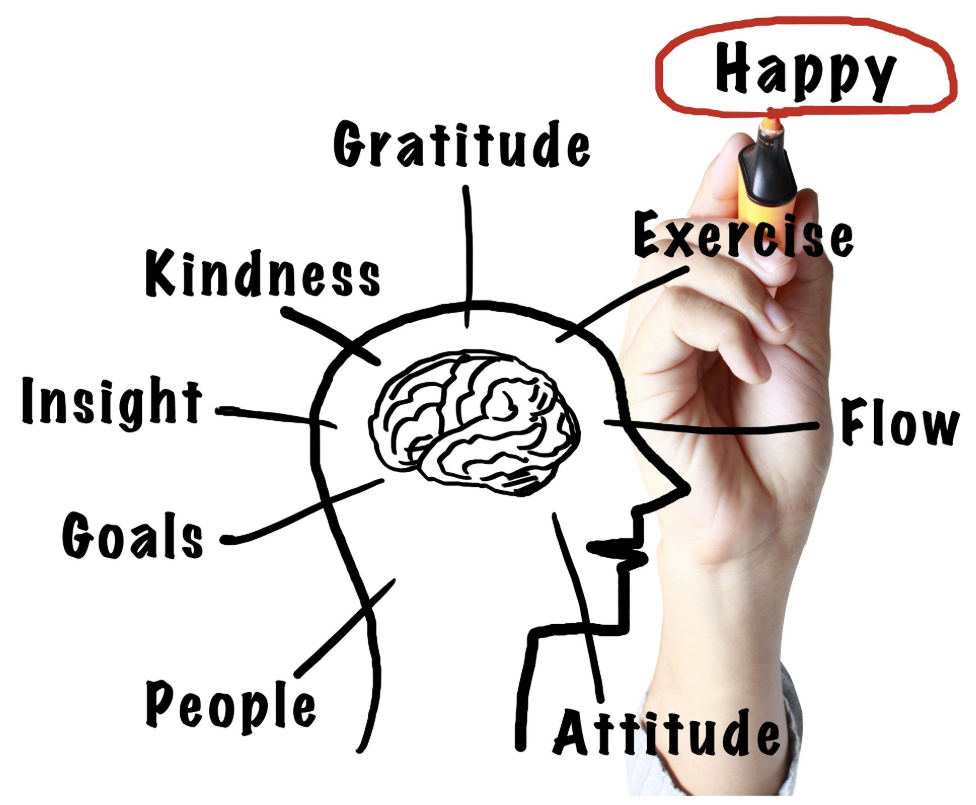
Happiness is something everyone seeks, yet it often feels elusive. While circumstances like money, relationships, and career success can influence our mood, research shows that our brain plays a significant role in determining happiness. In fact, happiness is not just a fleeting emotion—it is a skill that can be cultivated with intentional practices.
Neuroscience and psychology reveal that certain habits, thoughts, and lifestyle choices can literally retrain the brain to increase feelings of contentment and well-being. Understanding these principles can help anyone lead a more joyful and fulfilling life.
Happiness Is More Than External Circumstances
Many people assume that happiness depends on external events: earning more money, achieving career goals, or traveling to exotic locations. While these experiences can temporarily boost mood, studies show that long-term happiness relies more on internal factors.
For example, a person who regularly practices gratitude, optimism, and mindfulness tends to experience more consistent well-being than someone who relies solely on external achievements. In other words, happiness is often inside the mind, not just in the world around us.
The Role of Neurotransmitters
Happiness is closely tied to chemical messengers in the brain called neurotransmitters. Key neurotransmitters include:
- Dopamine: Often called the “reward chemical,” it drives motivation and pleasure.
- Serotonin: Helps regulate mood and promotes calmness and satisfaction.
- Oxytocin: Known as the “bonding hormone,” it increases feelings of connection and trust.
- Endorphins: Natural painkillers that also generate feelings of euphoria.
By understanding how these chemicals function, we can adopt practices that naturally boost their levels and support overall happiness.
Gratitude and Positive Thinking
One of the simplest ways to train the brain for happiness is through gratitude practices. Research shows that regularly acknowledging things we are thankful for can rewire neural pathways and improve mood.
Positive thinking doesn’t mean ignoring challenges—it means intentionally focusing on solutions, appreciating small joys, and reframing setbacks as opportunities for growth. Over time, this mental habit strengthens the brain’s positivity bias, making it easier to experience happiness even during stressful situations.
Mindfulness and Meditation
Mindfulness and meditation are powerful tools for cultivating happiness. These practices train the brain to focus on the present moment, reducing stress, anxiety, and rumination.
Studies have shown that even short daily meditation sessions can increase activity in brain regions associated with positive emotion, empathy, and emotional regulation. Over time, mindfulness helps individuals respond to life’s challenges more calmly and with greater clarity.
Social Connections Matter
Human beings are social creatures, and meaningful relationships play a crucial role in happiness. Spending time with loved ones, forming deep connections, and engaging in acts of kindness release oxytocin and reinforce feelings of belonging and fulfillment.
Interestingly, research suggests that quality of relationships matters more than quantity. Close, supportive connections have a far stronger impact on well-being than a large social circle.
Physical Activity and Happiness
Exercise is not just beneficial for the body—it is highly effective at improving mental health. Physical activity increases endorphin levels, reduces stress hormones, and promotes better sleep—all of which enhance mood.
Even moderate activity, such as walking, yoga, or stretching, can have a noticeable effect on happiness. Consistent movement trains the brain to associate physical activity with positive emotional states.
Purpose and Meaning
Happiness is also linked to having a sense of purpose. People who engage in meaningful activities—whether work, volunteering, or creative projects—experience higher levels of satisfaction.
When the brain feels that actions have meaning, it releases neurotransmitters associated with reward and fulfillment. Purpose provides long-term motivation and helps individuals navigate challenges with resilience.
Conclusion
Happiness is not merely a result of luck or circumstance; it is a skill that can be cultivated through intentional practices. By focusing on gratitude, mindfulness, physical activity, social connections, and meaningful pursuits, individuals can retrain their brains to experience more consistent joy.
Understanding the science behind happiness empowers us to make choices that enhance well-being, even in the face of life’s inevitable challenges. With consistent effort, anyone can create a life that is not only more pleasurable but also deeply fulfilling.