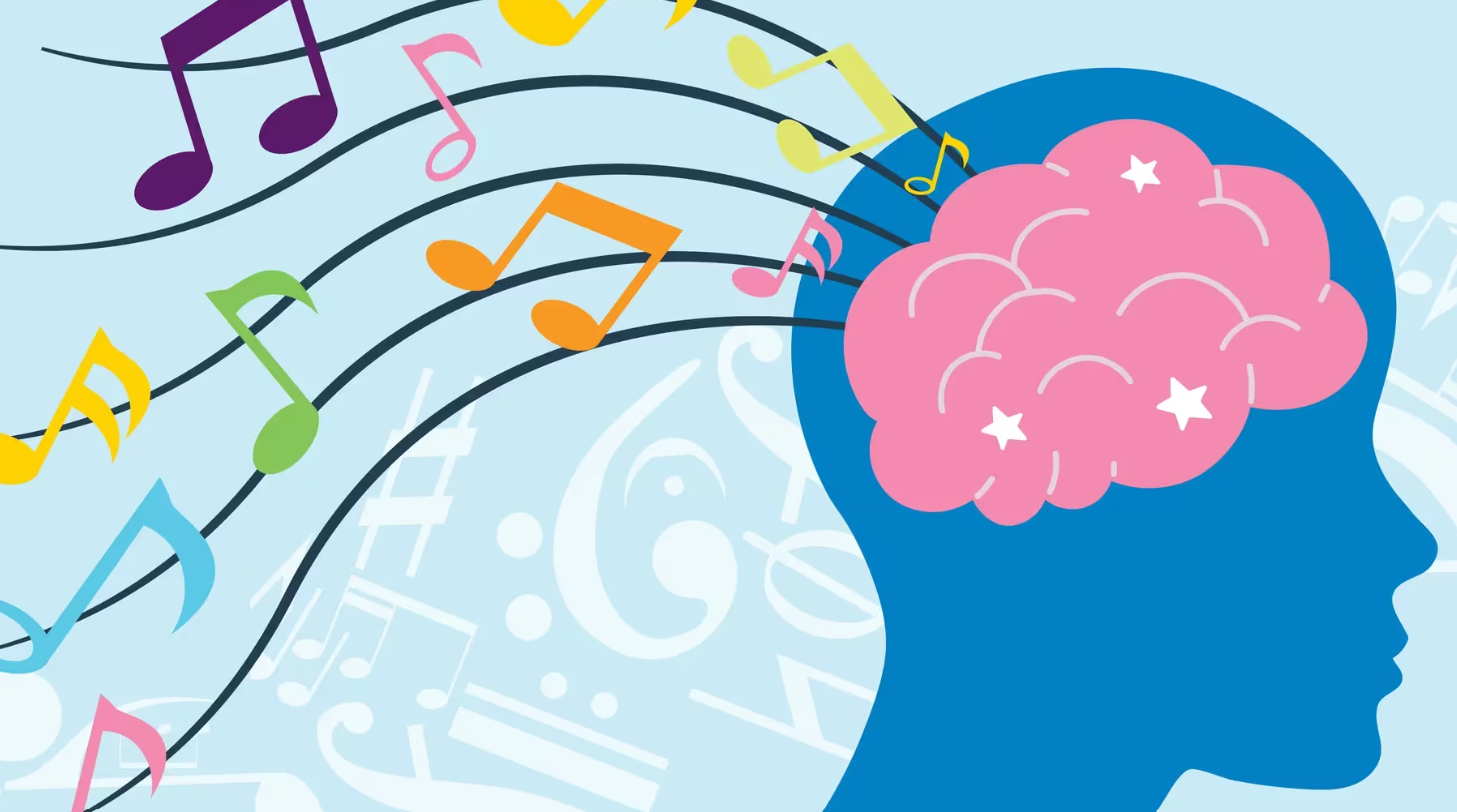
Music is one of humanity’s most universal experiences. From the rhythmic beats of drums to the soothing tones of a piano, music has the power to inspire, heal, and transform. But beyond enjoyment, research shows that music has profound effects on the brain and emotions, influencing everything from mood to cognitive function.
Whether listening to a favorite song, playing an instrument, or composing melodies, music engages multiple areas of the brain simultaneously. Understanding its hidden powers reveals why music is not just entertainment—it is a scientific tool for emotional and mental well-being.
How Music Affects the Brain
Music stimulates several regions of the brain:
- Auditory Cortex: Processes sound, rhythm, and pitch.
- Motor Cortex: Coordinates movement, explaining why music often makes us tap our feet or dance.
- Limbic System: Regulates emotions, triggering feelings of joy, nostalgia, or even sadness.
- Prefrontal Cortex: Involved in attention, planning, and creativity, which music can enhance.
This widespread activation explains why music can affect mood, memory, and even physical performance.
Emotional Impact of Music
Music has a unique ability to evoke emotions:
- Uplifting Music: Energetic and major-key songs increase dopamine levels, creating happiness and motivation.
- Soothing Music: Slow tempos and minor keys can reduce anxiety and lower stress hormone levels.
- Cathartic Music: Sad or dramatic music can help process emotions and provide relief from emotional tension.
Through these effects, music acts as a powerful tool for emotional regulation and mental health.
Music and Memory
Music is closely linked to memory. Many people can recall specific events or emotions associated with a song, even years later. Studies show that:
- Playing music can enhance learning and recall in both children and adults.
- Music therapy is used to help patients with Alzheimer’s disease or dementia reconnect with memories and emotions.
- Familiar melodies can trigger brain activity in regions responsible for long-term memory, highlighting the deep connection between sound and recall.
This makes music an invaluable tool in education, therapy, and daily life.
Music and Physical Performance
Music also affects the body. Listening to upbeat music during exercise can:
- Increase endurance and stamina.
- Improve coordination and reaction time.
- Reduce perceived exertion, making physical activity feel easier.
Athletes and fitness enthusiasts often use music strategically to boost performance and motivation.
Therapeutic Uses of Music
Music therapy is increasingly recognized as a legitimate treatment for mental, emotional, and physical conditions:
- Stress and Anxiety Reduction: Slow, calming music lowers heart rate and cortisol levels.
- Pain Management: Music can distract patients during medical procedures and reduce the perception of pain.
- Cognitive Rehabilitation: Engaging with music aids memory, attention, and language skills in patients recovering from brain injuries.
These therapeutic applications demonstrate the transformative power of sound beyond entertainment.
Conclusion
Music is far more than a form of art or entertainment—it is a complex and powerful influence on the brain and emotions. By engaging multiple brain regions, evoking deep emotional responses, enhancing memory, and even improving physical performance, music demonstrates its remarkable impact on human life.
Whether through listening, performing, or composing, music has the potential to heal, inspire, and connect, making it an essential part of human culture and personal well-being. The next time you play a song or hear a melody that moves you, remember: it’s not just sound—it’s science at work.