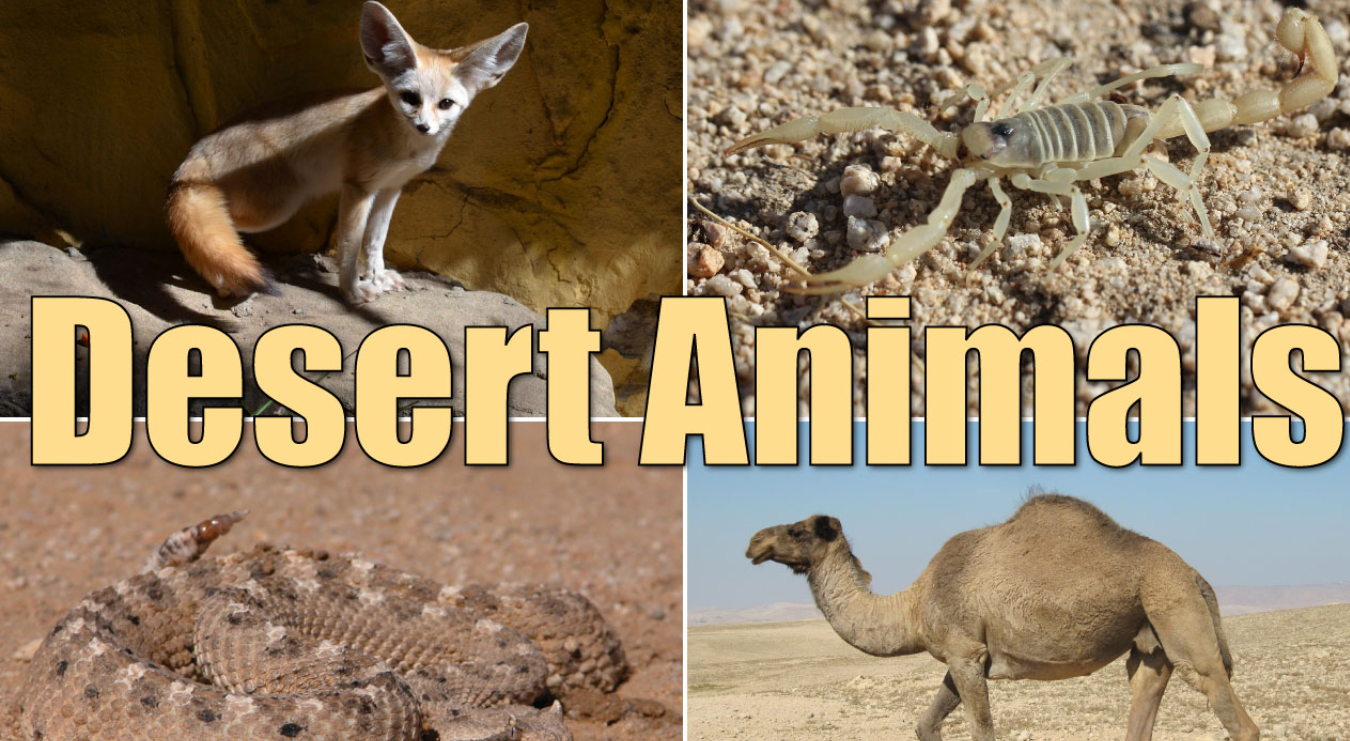
Deserts are some of the harshest environments on Earth. With scorching daytime temperatures, freezing nights, scarce water, and limited vegetation, surviving in a desert requires extraordinary adaptations. Despite these challenges, a wide variety of animals thrive in deserts around the world, from the Sahara to the Mojave and beyond.
The survival strategies of desert animals reveal nature’s incredible ingenuity. From behavioral adaptations to physical features, these creatures have evolved to endure extreme heat, conserve water, and find food in environments that seem almost inhospitable.
Camouflage: Blending into the Sands
One of the most important survival strategies for desert animals is camouflage. Many species have colors and patterns that allow them to blend seamlessly into sandy, rocky, or scrubby landscapes.
For example:
- Fennec foxes, small desert foxes found in North Africa, have light-colored fur that reflects sunlight and conceals them from predators.
- Desert lizards often have sandy or brown scales that make them nearly invisible against dunes.
Camouflage not only helps predators ambush prey but also keeps prey species safe from being detected.
Water Conservation
Water is extremely scarce in deserts, and many animals have evolved remarkable ways to conserve it. Some strategies include:
- Nocturnal activity: Many desert animals, such as kangaroo rats and owls, are active at night to avoid daytime heat and minimize water loss.
- Efficient kidneys: Certain rodents can extract almost all water from their food, producing extremely concentrated urine.
- Water storage: Camels are famous for storing fat in their humps, which can be converted into water and energy when needed.
These adaptations allow desert animals to survive for long periods without drinking water directly.
Heat Regulation
Desert temperatures can fluctuate dramatically, with daytime highs exceeding 120°F (49°C) and nighttime lows dropping below freezing. Animals must regulate their body temperature to survive these extremes.
- Large ears in species like the fennec fox act as radiators, releasing heat and keeping the body cool.
- Burrowing behavior allows animals such as desert tortoises to escape the heat and emerge only when temperatures are safer.
- Reflective surfaces like the light-colored fur of some reptiles reduce heat absorption during the day.
These adaptations help animals maintain a stable internal environment despite unpredictable external conditions.
Specialized Diets
Finding food in a desert is challenging due to limited vegetation and prey. Desert animals often have highly specialized diets:
- Insectivores like sidewinder snakes rely on insects and small rodents.
- Herbivores like camels feed on tough, dry plants that other animals cannot digest.
- Opportunistic feeders such as coyotes eat almost anything available, including fruits, insects, and small mammals.
Flexibility in diet increases survival chances in an unpredictable environment.
Movement and Locomotion
Desert animals have also developed unique ways of moving across hot sand and rocky terrain. For instance:
- Sidewinder snakes move in a sideways motion to minimize contact with scorching sand.
- Camels have broad, padded feet that prevent sinking into sand and provide stability over dunes.
- Jerboas, small hopping rodents, use long hind legs to leap quickly and escape predators.
Efficient movement is essential for finding food, water, and shelter while avoiding dangers.
Behavioral Adaptations
Behavioral strategies often complement physical adaptations:
- Nocturnal and crepuscular activity: Many desert animals are active at night or during dawn and dusk to avoid heat stress.
- Social cooperation: Some species, like meerkats, work in groups to locate food, dig burrows, and watch for predators.
- Seasonal dormancy: Certain reptiles and insects enter periods of dormancy or estivation during extreme heat or drought.
These behaviors maximize survival and reproductive success in harsh conditions.
Conclusion
Desert animals are living testaments to the power of evolution. Their incredible adaptations—camouflage, water conservation, heat regulation, specialized diets, and unique behaviors—allow them to thrive in environments that seem inhospitable to life.
Studying these animals not only reveals the resilience of nature but also offers insights into how life can adapt to extreme challenges. From tiny rodents to majestic camels, desert creatures demonstrate that survival is possible even in the most unforgiving landscapes.
The next time you think of deserts as barren wastelands, remember the remarkable animals that turn adversity into opportunity.