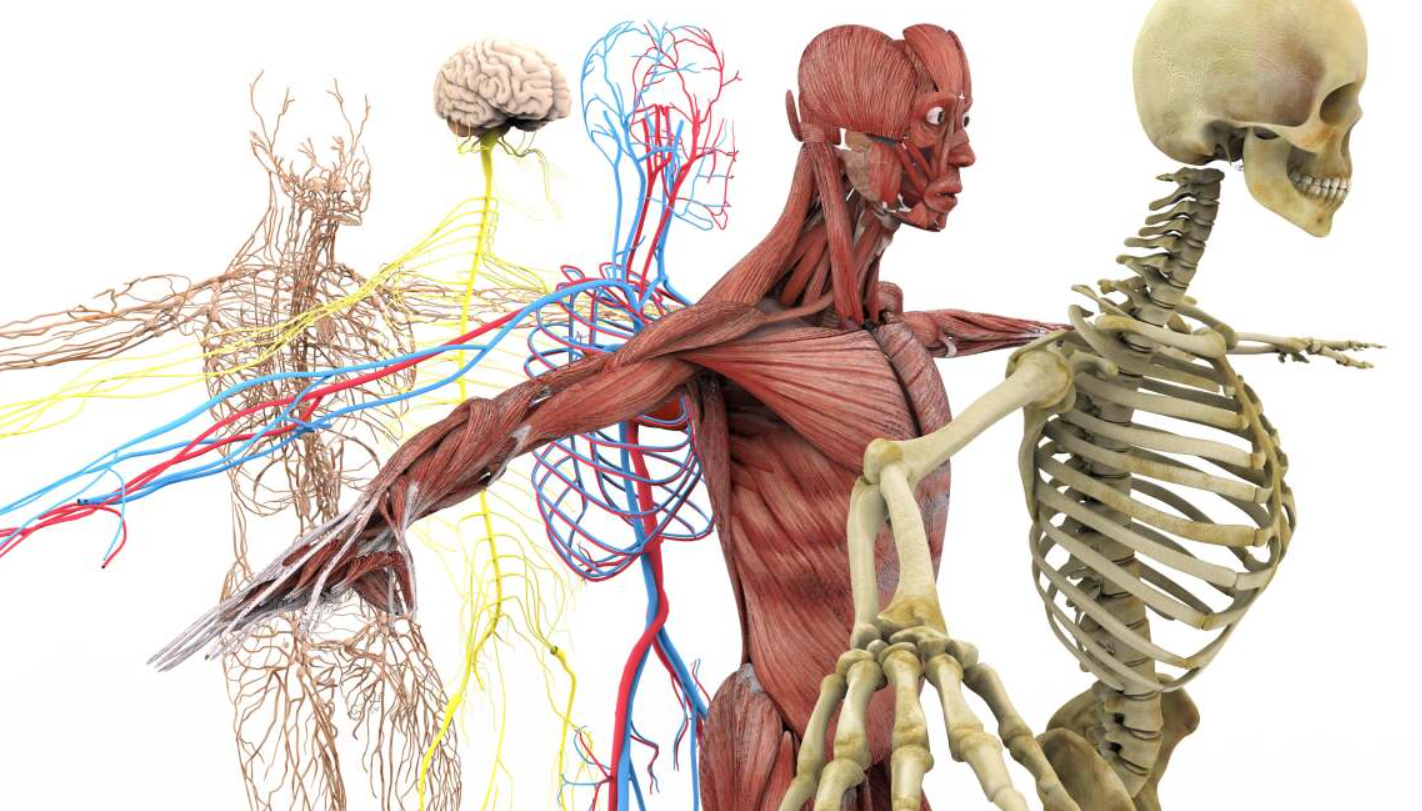
The human body is one of the most complex and remarkable structures in the known universe. From the microscopic cells that keep us alive to the intricate systems that control every movement, thought, and sensation, the body never ceases to amaze. Despite centuries of scientific study, there are countless strange and fascinating facts about how our bodies work.
Understanding these peculiar aspects of human anatomy and physiology not only sparks curiosity but also helps us appreciate the incredible engineering behind everyday life. Here are 10 strange and fascinating facts about the human body that might surprise you.
- Your Body Contains More Bacteria Than Cells
While the human body is made up of approximately 30 trillion human cells, it also hosts roughly 39 trillion bacterial cells. Most of these bacteria live in the gut and on the skin, playing essential roles in digestion, immunity, and overall health.
Despite their small size, these microscopic organisms are crucial to our survival. In fact, without them, humans could not process certain nutrients or fight off harmful pathogens effectively.
- Your Stomach Gets a New Lining Every Few Days
The stomach contains powerful acids strong enough to digest food—and even metal in some cases. To prevent damage to itself, the stomach replaces its lining approximately every 3 to 4 days.
This constant renewal protects the stomach walls from ulcers and allows it to continue breaking down food safely and efficiently.
- Your Bones Are Stronger Than Concrete
Although bones may appear delicate, they are incredibly strong. A cubic inch of human bone can support roughly 19,000 pounds—making it stronger than concrete of the same density.
This strength allows the skeletal system to support the body’s weight, protect vital organs, and serve as an attachment point for muscles, enabling movement.
- Your Heart Can Create Its Own Electrical Impulses
The heart is not just a muscular pump; it also functions as an electrical organ. The sinoatrial (SA) node, often called the heart’s natural pacemaker, produces electrical impulses that regulate heartbeats independently of the brain.
This unique ability ensures that the heart can continue beating even if neural connections to the brain are temporarily disrupted.
- Your Brain Generates Enough Electricity to Power a Lightbulb
The human brain is constantly active, producing electrical signals as neurons communicate with each other. Remarkably, the electricity generated by the brain is estimated to be around 20 watts, enough to power a small lightbulb.
This continuous activity supports everything from movement and memory to thought, emotion, and perception.
- Your Skin Is Your Largest Organ
Often overlooked, the skin is the body’s largest organ, covering an area of approximately 20 square feet in adults. It serves as a protective barrier, regulates temperature, and allows us to sense touch, pressure, and pain.
In addition, the skin continuously renews itself, shedding millions of cells daily and repairing damage from minor injuries.
- Your Stomach Can Expand to Hold Food
The stomach is highly flexible and capable of expanding significantly to accommodate food. On average, it can hold about 1 liter of food, but in extreme cases, it can stretch to hold even more.
This elasticity allows humans to consume large meals occasionally without causing harm to the digestive system.
- Your Eyes Can Distinguish Millions of Colors
The human eye is a sophisticated organ capable of detecting around 10 million different colors. Cone cells in the retina are sensitive to different wavelengths of light, allowing us to perceive subtle variations in hue and brightness.
This incredible ability helps humans navigate the world, recognize faces, and enjoy visual art and nature in stunning detail.
- Your Liver Can Regenerate
The liver is the only organ in the human body capable of regenerating itself. Even if up to 75% of the liver is removed, it can grow back to its original size.
This regenerative ability is crucial for detoxification, metabolism, and overall health, as the liver performs hundreds of vital functions daily.
- Your Body Produces About 1 to 1.5 Quarts of Mucus Per Day
While it may sound strange, the human body produces about 1 to 1.5 quarts of mucus daily. Mucus serves as a protective lining for the respiratory and digestive systems, trapping dust, bacteria, and other harmful particles.
Although often considered unpleasant, mucus is essential for maintaining health and preventing infections.
Conclusion
The human body is full of astonishing secrets and remarkable abilities. From microscopic bacteria to organs that regenerate and electrical impulses that power the heart and brain, our bodies operate as intricate machines that continue to fascinate scientists and curious minds alike.
By learning more about these strange and fascinating facts, we gain a greater appreciation for the complexity and resilience of human life. The more we explore, the more we realize that the human body is truly an extraordinary wonder of nature.